
 UAE
UAE
 Qatar
Qatar
 Pakistan
 KSA
KSA
 Oman
Oman
 Kuwait
 Bahrain
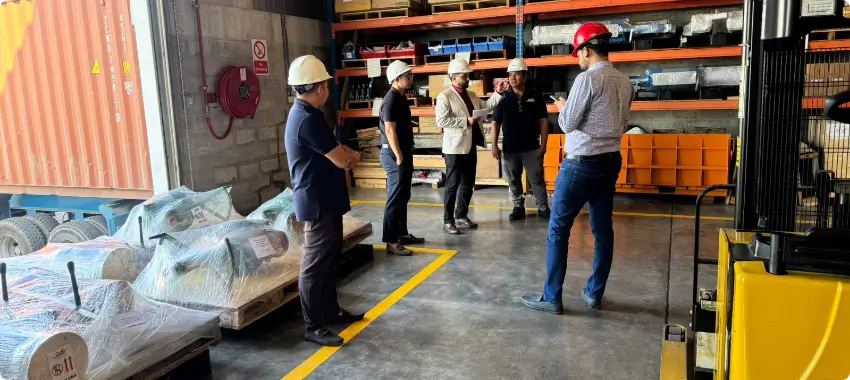
Qdot helps aerospace, aviation, defence, MRO, precision engineering, component manufacturing, testing, logistics, and supplier organizations in the UAE build a practical Aerospace Quality Management System aligned with AS9100D requirements. Our AS 9100 consultancy in UAE covers gap analysis, QMS planning, documentation development, implementation support, staff training, internal audit, management review, and certification readiness support before the external audit.
For companies supplying aviation, space, defence, aircraft components, MRO services, aerospace logistics, or critical engineering products, AS 9100 is more than a certificate. It is a structured system for product safety, risk management, configuration control, supplier control, traceability, counterfeit parts prevention, operational discipline, and customer confidence.
Need AS 9100 consultancy in UAE? Speak to Qdot for AS9100D gap analysis, documentation, training, internal audit and certification readiness support.
Why AS 9100 consultancy in UAE matters
UAE businesses often pursue AS 9100 certification to strengthen credibility with aerospace customers, defence contractors, OEMs, MRO companies, government-related entities, and international supply chains. The real challenge is not only preparing documents for the audit. The real challenge is building an aerospace QMS that works in daily operations and can withstand customer, certification body, and supplier approval requirements.
AS 9100 consultancy helps organizations convert aerospace quality requirements into practical controls for planning, purchasing, production, service delivery, inspection, nonconformity management, supplier performance, risk-based thinking, product safety, and continual improvement. A well-implemented AS9100D system supports better consistency, stronger process control, fewer quality escapes, better customer confidence, and improved readiness for aerospace supply chain opportunities.
What AS 9100 consultants in UAE normally do
AS 9100 consultants in UAE normally support organizations from the starting point until audit readiness. That support often includes studying the current system, identifying gaps against AS9100D and ISO 9001 requirements, defining the AS 9100 scope, developing required documented information, training process owners, guiding implementation, supporting internal audits, preparing management review inputs, and helping the organization close weak areas before the external certification audit.
For aerospace-related organizations, the consultant should also understand the additional controls expected under the 9100 series, including product safety, counterfeit parts prevention, configuration management, project and operational risk, special requirements, critical items, supplier control, traceability, inspection discipline, and customer-specific requirements.
Core AS9100D areas aerospace businesses need to address
AS9100D is based on ISO 9001 and adds aviation, space, and defence-specific requirements. During implementation, organizations normally need to address both the general QMS requirements and the additional aerospace requirements that affect safety, reliability, regulatory expectations, customer approvals, and supply chain performance.
- Organizational context, interested parties, scope, processes, risks and opportunities
- Leadership commitment, quality policy, responsibilities, authorities and accountability
- Quality objectives, KPI monitoring, process performance and customer satisfaction
- Operational planning, customer requirements, contract review and change control
- Design and development controls, where applicable to the scope
- External provider and supplier control, supplier evaluation and supplier performance monitoring
- Configuration management, change management, traceability and preservation of product
- Product safety controls, FOD prevention, counterfeit parts prevention and awareness
- Control of nonconforming outputs, concessions, corrective action and root cause analysis
- Internal audit, management review, performance evaluation and continual improvement
Our AS 9100 consulting services in UAE typically include
AS9100D gap analysis: Reviewing current practices, processes, documentation, records, customer requirements, supplier controls, risk controls and audit readiness against AS9100D requirements.
Aerospace QMS planning: Defining AS 9100 scope, process interaction, roles, responsibilities, implementation stages, project milestones, risks, resources and certification body readiness plan.
Documentation development: Preparing or upgrading the QMS manual where needed, procedures, process maps, work instructions, forms, registers, checklists and aerospace-specific templates.
Implementation guidance: Helping departments apply the AS 9100 system in purchasing, operations, engineering, production, warehousing, inspection, maintenance, calibration, logistics and support functions.
Aerospace risk and product safety controls: Supporting controls for product safety, special requirements, critical items, risk registers, FOD prevention, counterfeit parts prevention and operational risk monitoring.
Supplier and external provider control: Developing controls for supplier approval, supplier evaluation, incoming inspection, outsourced processes, supplier performance monitoring and supplier corrective actions.
Training and awareness: Building competence for management, process owners, employees, internal auditors, inspection teams, procurement teams and relevant operational staff.
Internal audit support: Planning and conducting internal audits to evaluate AS9100D implementation, process effectiveness, documentation compliance, records control and readiness for certification audit.
Management review and certification readiness support: Helping leadership review QMS performance, audit results, risks, supplier performance, customer feedback, objectives, actions and readiness before stage 1 and stage 2 audits.
How Qdot approaches AS 9100 consultancy projects
Qdot's consulting approach is implementation focused. We begin by understanding the client's aerospace activity, sites, customer requirements, products or services, outsourced processes, regulatory exposure, supplier controls, inspection needs, and existing ISO 9001 or QMS maturity. The AS 9100 system is then structured around real processes so the organization can use it, maintain it, and demonstrate it confidently during customer or certification audits.
A practical AS 9100 implementation sequence usually covers:
- Diagnose: Study the current system, understand the context, define AS 9100 scope, identify compliance gaps, and prioritize risk areas.
- Design: Build the aerospace QMS structure, process controls, documented information, records, risk controls and implementation roadmap.
- Implement: Roll out procedures, forms, records, monitoring methods, supplier controls and responsibilities across relevant functions.
- Develop: Train employees, process owners and internal auditors so the system is understood, used and maintained internally.
- Assure: Conduct internal audit, verify implementation evidence, support corrective actions and prepare management review.
- Prepare for certification: Help the client close weak areas, prepare audit evidence and face the certification body audit with better confidence.
- Support after certification: Continue supporting surveillance audits, recertification, corrective actions and continual improvement.
Who should consider AS 9100 consultancy in UAE
AS 9100 consultancy is suitable for organizations that need to enter, maintain, or strengthen their position in aerospace, aviation, defence, space, and critical engineering supply chains. It is also suitable for ISO 9001 certified companies that want to upgrade their QMS to aerospace-specific requirements.
- Aircraft component manufacturers and precision engineering companies
- Aviation and aerospace suppliers serving OEMs or tiered supply chains
- Defence suppliers, fabrication units and critical parts manufacturers
- MRO-related companies and aviation maintenance support providers
- Aerospace distributors, stockists and logistics providers
- Testing, inspection, calibration and technical service providers supporting aviation or defence customers
- Drone, advanced air mobility, unmanned systems and technology suppliers
- Existing ISO 9001 certified organizations preparing for AS9100D upgrade
- Companies seeking customer approval, tender eligibility or international supplier qualification
AS 9100, AS 9110 and AS 9120: which standard applies?
The aerospace 9100 series includes related standards for different types of organizations. Qdot can help clients understand which standard is most relevant based on their actual scope, activities and customer requirements.
| Standard | Best suited for | Typical UAE organizations |
|---|---|---|
| AS 9100 / AS9100D | Aviation, space and defence manufacturers and suppliers | Aerospace component manufacturers, precision engineering, fabrication, design and production-related suppliers |
| AS 9110 | Maintenance, repair and overhaul activities | MRO companies, aircraft maintenance service providers and aviation repair organizations |
| AS 9120 | Aerospace distributors and stockists | Aerospace spare parts distributors, stockholders, logistics and trading organizations handling aviation-related parts |
AS9100D documentation and records usually required
The exact documentation depends on the organization's scope, size, risks, customer requirements, product or service complexity, and existing QMS maturity. During AS 9100 consultancy, the following documents and records are commonly developed, reviewed or upgraded:
| AS 9100 scope statement | Documented procedures and process controls | Traceability records |
| Process interaction map | Supplier evaluation and approval records | FOD prevention controls |
| Quality policy and objectives | Supplier performance monitoring records | Counterfeit parts prevention procedure |
| Roles and responsibilities matrix | Purchasing and outsourced process controls | Product safety awareness records |
| Risk and opportunity register | Configuration management controls | Nonconformity and corrective action records |
| Customer requirement review records | Change management records | Internal audit plan and reports |
| Contract review and order review records | Inspection and verification records | Management review minutes and action plan |
Cities, emirates and industrial areas covered in UAE
Qdot supports AS 9100 consultancy projects across the UAE and aligns the page content with the locations businesses actually search for. Support can be provided for single-site and multi-site organizations, including head offices, workshops, production units, warehouses, free-zone facilities, laboratories, and technical service operations.
Major emirates and cities: Dubai, Abu Dhabi, Sharjah, Ajman, Ras Al Khaimah, Fujairah, Umm Al Quwain and Al Ain.
Industrial and commercial zones: Jebel Ali, Dubai Industrial City, Dubai Investment Park, Dubai South, KEZAD, KIZAD, ICAD, Mussafah, SAIF Zone, Hamriyah Free Zone, RAKEZ and similar business hubs.
Use case: Suitable for aerospace suppliers, engineering workshops, component manufacturers, warehouses, aviation service providers, MRO-related organizations and supplier approval projects.
Aerospace and aviation activities supported
AS 9100 consultancy in UAE may apply to many aerospace-related activities. Qdot helps clients define the right scope and ensure that the QMS is practical for the way the organization actually operates.
- Manufacturing, machining, fabrication and assembly of aerospace or aviation-related parts
- Engineering, design support, project management and technical services where applicable
- Inspection, testing, calibration, verification and quality control activities
- Aerospace warehousing, storage, preservation, packaging and logistics
- Supplier management, procurement, incoming inspection and outsourced process control
- Maintenance support, repair-related activities and MRO-adjacent services
- Distribution, stockholding and trading of aerospace parts where AS 9120 may be more suitable
Benefits of hiring AS 9100 consultants in UAE
A good AS 9100 consultant should help the business improve control and performance, not just complete documents for the audit. The goal is to create an aerospace QMS that supports quality, safety, traceability, customer confidence and supplier approval readiness.
- Clearer aerospace QMS scope, processes, roles and accountability
- Better alignment with AS9100D and ISO 9001 requirements
- Stronger product safety, risk management and counterfeit parts prevention controls
- Improved supplier evaluation, supplier performance monitoring and external provider control
- Better document control, records discipline, traceability and evidence for audits
- Improved internal audit results and management review discipline
- Greater readiness for customer audits, certification audits, surveillance audits and recertification
- Better confidence for tenders, vendor registration and aerospace supply chain opportunities
- More sustainable continual improvement instead of one-time audit preparation
Why choose Qdot for AS 9100 consultancy in UAE
Qdot focuses on practical aerospace QMS implementation. The goal is to help the client build an AS 9100 system that is usable, auditable and aligned with business needs. Our support is designed to keep consultancy intent clear while helping organizations reach certification readiness in a structured and ethical way.
- Implementation-focused support rather than template-only consulting
- Experience with AS9100 and integrated QHSE systems, including aerospace-related client references such as Mira Aerospace as listed on Qdot's website
- Support for single-site and multi-site AS 9100 projects across the UAE
- Practical training and awareness sessions linked to actual aerospace and supplier operations
- Guidance from gap analysis to documentation, internal audit, management review and readiness review
- Experience across ISO 9001, ISO 14001, ISO 45001, ISO 27001, ISO 22301, ISO 17025 and other standards that often integrate with aerospace supplier systems
- Qdot is a pure consultancy firm, not a certification body, and supports clients in working with recognized accredited certification bodies
- Long-term support for surveillance audits, corrective actions, recertification and continual improvement
Credibility note: Since 2016, Qdot has supported 832 projects across 7 countries, with a team of 19 consultants and support staff. For aerospace-related work, Qdot's public client portfolio includes Mira Aerospace for AS9100, ISO 9001, ISO 14001 and ISO 45001.
Contact us
If your organization is looking for AS 9100 Consultancy in UAE, Qdot can support your business with a practical and structured AS9100D implementation approach. We help clients strengthen aerospace QMS planning, documentation, training, supplier controls, internal audit, management review and certification readiness across the UAE.
FAQs
AS 9100 consultancy in UAE provides support for designing, implementing, improving or maintaining an Aerospace Quality Management System aligned with AS9100D requirements. The support usually includes gap analysis, documentation, training, internal audit, management review and certification readiness support.
AS9100D is the current widely used aerospace quality management system standard for aviation, space and defence organizations. It is based on ISO 9001 and includes additional aerospace-specific requirements for areas such as product safety, risk management, configuration control, counterfeit parts prevention, supplier control and traceability.
No. AS 9100 includes ISO 9001 quality management requirements and adds extra requirements for aviation, space and defence organizations. Companies already certified to ISO 9001 may still need additional controls before they are ready for AS 9100 certification.
AS 9100 may be required by aerospace manufacturers, aviation suppliers, defence suppliers, component manufacturers, precision engineering companies, MRO-related organizations and companies seeking approval from aerospace customers or international supply chains.
No. Consultants prepare the system and support certification readiness. The certificate is issued by an independent accredited certification body after successful completion of the certification audit.
AS 9100 is mainly for aviation, space and defence manufacturers and suppliers. AS 9110 is designed for maintenance, repair and overhaul organizations. AS 9120 is designed for aerospace distributors and stockists.
Typical documents include AS 9100 scope, process map, quality policy, objectives, procedures, risk register, supplier controls, configuration management records, traceability records, product safety controls, counterfeit parts prevention controls, internal audit reports, corrective action records and management review minutes.
The timeline depends on organization size, number of sites, existing ISO 9001 maturity, process complexity, customer requirements, staff availability and readiness of records. Smaller organizations with an existing QMS may complete faster, while complex aerospace suppliers may need more time.
Yes. Qdot can review the existing ISO 9001 system, identify additional AS9100D gaps, upgrade documentation, train staff, support implementation and prepare the organization for AS 9100 certification audit readiness.
OASIS is the Online Aerospace Supplier Information System used in the aerospace sector for 9100 series certification and registration information. Organizations pursuing AS 9100 should understand OASIS-related expectations and certification body requirements.
Yes. Qdot supports AS 9100 internal audit planning, audit checklists, audit execution, audit reporting, corrective action follow-up and management review preparation before certification or surveillance audits.
Yes. Qdot can provide post-certification support for surveillance audits, recertification audits, corrective action closure, process improvement and maintenance of the aerospace QMS.
Yes. Qdot supports AS 9100 consultancy across Dubai, Abu Dhabi, Sharjah, Ajman, Ras Al Khaimah, Fujairah, Umm Al Quwain and Al Ain, including free zones and industrial areas.